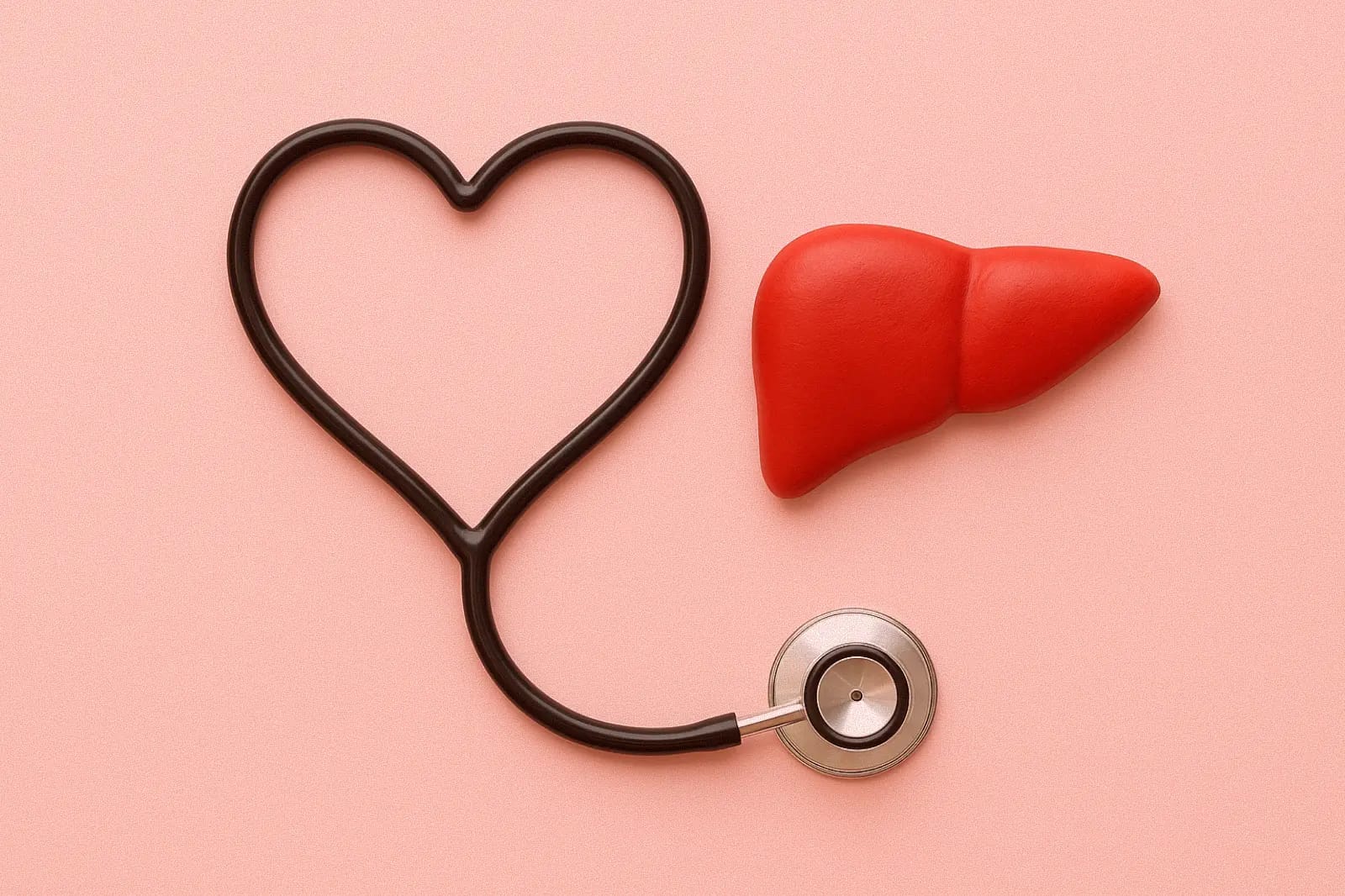
When you're living with liver disease, your liver can't function properly to manage the essential processes that help your body to thrive. If left untreated, liver disease can lead to severe complications like liver failure and cancer. At the Gastro Centers of Pennsylvania, board-certified gastroenterologists evaluate the health of your liver and improve your liver function with a personalized treatment plan. To schedule a consultation, call us or book an appointment online today.
What is liver disease?
The liver performs hundreds of functions every day to keep your body functioning properly. Your liver’s main responsibilities include storing energy, digesting food, and producing bile to remove harmful substances from your blood. When you have liver disease, it means your liver can no longer function as well as it should. Often, many liver diseases are preventable with dietary and lifestyle changes. By maintaining a healthy weight and avoiding excessive alcohol consumption, you might be able to reduce your risk of developing liver disease.
What are the symptoms of liver disease?
Depending on your type of liver disease, the Gastro Centers of Pennsylvania team can evaluate your symptoms and determine the best course of treatment. You may find it beneficial to keep a journal or record of your symptoms and then bring it with you to the Gastro Centers of Pennsylvania office for a specific diagnosis.
- Pain in your upper right abdomen or joints
- Jaundice (yellowing of the eyes and skin)
- Loss of appetite
- Chalky stools
- Nausea
- Vomiting
- Bloating or swelling in your abdomen
- Fatigue
What are the types of liver disease?
Liver cancer and cirrhosis can cause serious health problems, making them the most severe types of liver disease.
- Nonalcoholic fatty liver disease (NAFLD)
- Fatty liver disease
- Hepatitis
- Hemochromatosis
- Liver cancer
- Cirrhosis (late-stage liver disease)
How is liver disease diagnosed?
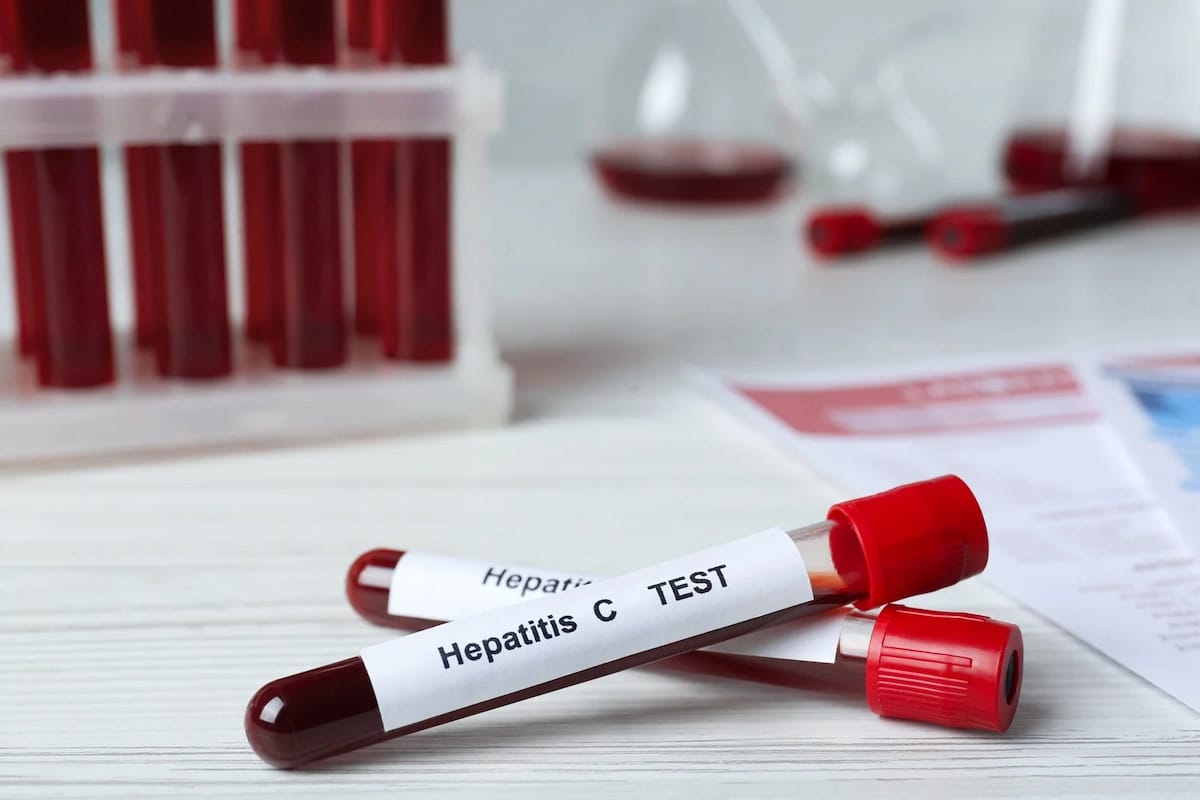
To diagnose liver disease, the Gastro Centers of Pennsylvania team reviews your medical history and asks about the symptoms you’re experiencing. Then, they perform a comprehensive physical exam, which may include palpating your abdomen and looking for signs of jaundice in your skin and eyes. The team may order other diagnostic tests, like blood work, an MRI, a CT scan, or ultrasound, to gather more information about your liver. They might also take a biopsy of your liver or surrounding tissue to examine your condition more closely.
How is liver disease treated?
After determining the type of liver disease you have and discussing the underlying factors that may have caused it, the Gastro Centers of Pennsylvania team can help you manage your current condition. The specific treatment approach depends on whether you have any complications and your current symptoms.
- Disease-specific medications
- A healthy diet and positive lifestyle changes
- Losing weight
- Avoiding excessive alcohol consumption
- Liver transplants
- Liver surgery
- Chemotherapy